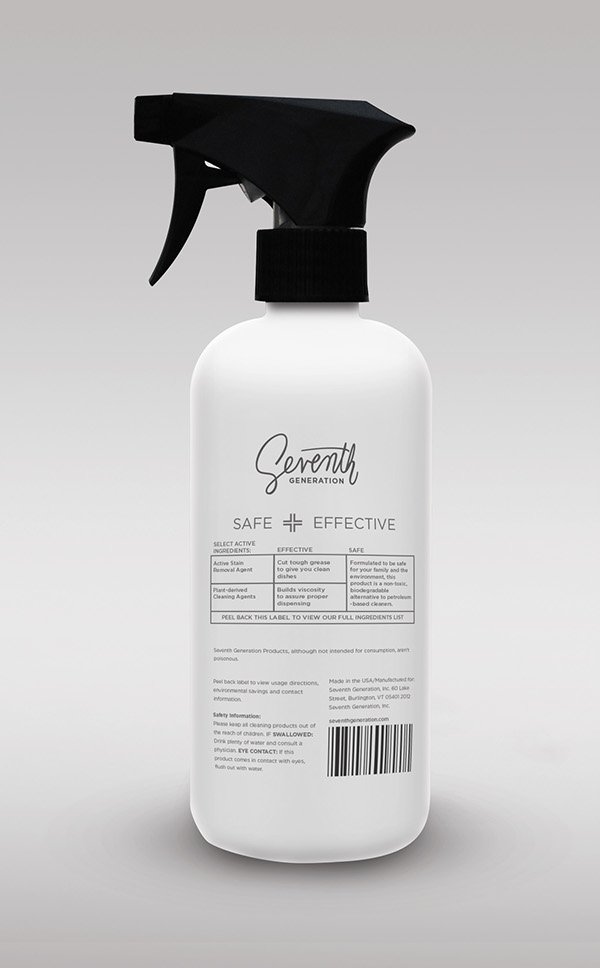
Imagine a company so committed to the planet that its very name is a promise: a promise to consider the impact of every decision on the next seven generations. That's the powerful, guiding principle behind The Seventh Generation Brand: Mission & Values. For over three decades, this pioneering company has been more than just a purveyor of household goods; it's been an advocate, an innovator, and a standard-bearer in the quest to transform our world into a healthier, more sustainable, and equitable place for all.
In an era saturated with eco-claims and greenwashing, understanding a brand's true north is vital. Seventh Generation doesn't just talk the talk; its history, product standards, and even its challenges reveal a steadfast dedication to a future where both people and the planet can thrive.
At a Glance: Seventh Generation's Enduring Commitment
- Generational Promise: Named for the Iroquois Confederacy's principle of considering future generations, their mission is a healthy, sustainable, equitable world.
- Pioneering Spirit: Revolutionized home care with unbleached, 100% recycled paper products and led calls for ingredient transparency.
- Certified for Good: A founding B Corporation, committed to using business as a force for positive change and accountability.
- Product Purity: Rigorous standards for plant-based, renewable ingredients, focusing on zero toxins, biobased formulations, and sustainable sourcing.
- Environmental Action: Actively lobbies for chemical reform, fights plastic waste, supports climate justice, and publishes annual progress reports.
- Continuous Improvement: Transparent about achieving goals, acknowledging where more work is needed, and driving innovation like EasyDose™ packaging.
The Promise to Seven Generations: A Foundation Built on Foresight
At its heart, Seventh Generation is driven by a profound and ancient wisdom: the Iroquois Confederacy's Great Law of Peace, which urges decision-makers to consider the impact of their actions on the next seven generations. This isn't just a catchy name; it's the very DNA of the company, shaping every product, policy, and advocacy effort since its inception.
The vision began to take shape in the late 1980s. Alan Newman, who had acquired a company called Renew America, joined forces with Jeffrey Hollender, a visionary entrepreneur passionate about environmentally friendly products. Together, they saw a burgeoning need for household and personal care items that didn't compromise the health of families or the planet. Their goal wasn't just to sell products; it was to ignite a movement, proving that business could be a powerful tool for social and environmental change. This foundational belief in holistic responsibility remains central to The Seventh Generation Brand: Mission & Values.
Beyond Buzzwords: Seventh Generation's Core Values in Action
Many companies tout "values," but for Seventh Generation, these aren't just words on a corporate banner. They are deeply embedded principles that dictate their strategy and operations. Their commitments ripple through four core areas, articulated in their annual Corporate Consciousness Reports and 2025 goals:
Nurture Nature: Restoring Planetary Health
This value is about recognizing our interdependence with the natural world. It translates into a fierce dedication to protecting ecosystems, reducing pollution, and combating climate change. Seventh Generation commits to using renewable plant-based ingredients, promoting sustainable forestry, and driving down its carbon footprint across its entire value chain. They believe that a healthy planet is the bedrock for all other forms of health and equity.
Enhance Health: Prioritizing Well-being for All
From the ingredients in your laundry detergent to the materials in your baby's diapers, Seventh Generation is relentless in its pursuit of products that are safe for human health. This commitment means rigorously testing ingredients, avoiding harmful chemicals, and championing full ingredient transparency. They understand that exposure to toxins disproportionately affects vulnerable communities, making health a matter of social justice, not just product performance.
Transform Commerce: Reshaping Business for Good
Seventh Generation views business not merely as a profit-generating entity but as a force for positive change. Becoming a founding certified B Corporation in 2008 wasn't just an accolade; it was a public declaration that they would hold themselves to the highest standards of social and environmental performance, accountability, and transparency. This value challenges the status quo, advocating for an economic system that values people and the planet alongside profit. It's about demonstrating that sustainable, ethical business practices are not just possible, but imperative.
Build Community: Fostering Connection and Equity
A healthy world extends beyond environmental metrics; it encompasses thriving, equitable communities. This value emphasizes fair labor practices, livable wages throughout their supply chain, and active engagement in social justice issues. Seventh Generation supports initiatives that empower marginalized groups and advocates for policies that create a more just society, recognizing that environmental and social issues are inextricably linked.
A Timeline of Trailblazing: Defining Eco-Standards for Decades
Seventh Generation's history isn't just a series of product launches; it's a narrative of innovation and relentless advocacy that has consistently pushed the boundaries of corporate responsibility.
- Pioneering Recycled Paper (Early Days): Long before it was commonplace, Seventh Generation became the first homecare company to market unbleached, 100% recycled paper products. This move set new industry standards, challenging conventional, chlorine-intensive processing of fibers and demonstrating a viable alternative. This commitment to sustainable forestry continues today in products like their Seventh Generation toilet paper.
- Mainstream Movement (1990s): They broke new ground by entering mainstream retail, getting their Liquid Laundry, Chlorine-Free Bleach, and Dishwasher Detergent onto shelves in 33 Boston-area Star Markets. This wasn't just a distribution win; it was a statement that eco-friendly products could compete and thrive in conventional markets.
- Advocacy for Purity (Ongoing): Their commitment extends beyond their own products. Seventh Generation actively lobbied for the removal of phosphates from auto dish products, recognizing the detrimental impact these chemicals had on water ecosystems.
- Transparency as a Cornerstone (2000s): In a move that was revolutionary at the time, they became one of the first homecare companies to clearly print all ingredients in plain language on product packaging. This wasn't mandated; it was a choice driven by a belief in consumer's right to know and a commitment to radical transparency.
- Accountability Through Reporting (2000s - Present): To ensure continuous improvement and transparent progress, Seventh Generation began publishing an annual Corporate Consciousness Report. This report assesses their sustainability commitment and tracks their progress toward ambitious 2025 goals, making their journey public and accountable.
- Certifying Commitment (2008): Their dedication to ethical business practices was solidified when they became a founding certified B Corporation in 2008. This rigorous certification legally binds them to consider the impact of their decisions on workers, customers, suppliers, community, and the environment.
- Biobased Leadership (2010s): Expanding their commitment to plant-based solutions, a full line of their homecare, baby care, and health care products achieved USDA Certified Biobased status, assuring consumers that products are made from renewable biological resources.
- Reforming Chemical Policy (2010s): Recognizing that individual company efforts aren't enough, Seventh Generation launched "Companies for Safer Chemicals" to advocate for a much-needed reform of the Toxic Substances Control Act (TSCA), pushing for stronger federal regulation of toxic chemicals.
- Award-Winning Safety (2016, 2021): Their dedication to safer formulations was recognized by the Environmental Protection Agency (EPA), which awarded them the Safer Choice Partner of the Year in both 2016 and 2021 for products that meet stringent safety standards.
- Innovation in Packaging (2010s): Continuing to innovate, they launched the EasyDose™ liquid laundry bottle, a game-changer that uses 60% less plastic, 50% less water, and features convenient dosing technology, significantly reducing environmental impact.
- Inspiring Industry Change (2020s): Seventh Generation's influence extends far beyond its own operations. Its commitment to a cleaner future played a role in inspiring its parent company, Unilever, to adopt the ambitious Clean Future Strategy, aiming to transform all cleaning and laundry brands to be lower carbon and lower waste.
Product Integrity: What "Sustainable" Really Means at Seventh Generation
When you pick up a Seventh Generation product, you're not just choosing a cleaner; you're choosing a carefully crafted solution designed with the planet's health in mind. Their product standards and commitments aren't just marketing copy; they're operational imperatives addressing global issues like air pollution, water health, plastic waste, and the vital need for consumer trust.
Here's how their values translate into tangible product characteristics:
- Industry-Leading Product Standards: Every product undergoes rigorous Third-Party Testing to ensure performance and safety. This independent verification adds an extra layer of trust and accountability.
- Zero Waste Packaging Ambition: In 2020, a remarkable 97% of their packaging by volume was reusable or recyclable. Their goal isn't just "less plastic," it's "better, less, and ultimately no plastic," with ongoing efforts to use Post-Consumer Recycled (PCR) plastic and develop truly zero-plastic solutions.
- Biobased Formulations: You'll find that all their laundry and dish products are 95% or higher biobased, certified by the USDA BioPreferred Program. This means they're primarily made from renewable plant, animal, marine, or forestry materials, reducing reliance on finite fossil fuels.
- Certified Sustainable Fibers: Even their baby care products reflect this commitment. Diapers, for example, utilize FSC Certified sustainably harvested plant-based pulp, ensuring that the raw materials come from responsibly managed forests.
- Zero Toxins Goal: Seventh Generation is on a mission to make all products free of chronic toxins by 2025. This isn't just about avoiding a "dirty dozen"; it's a comprehensive approach to ingredient selection, prioritizing the safest options available.
- Proactive Climate Action: Beyond their own operations, the brand actively supports climate justice and advocates for a fossil-free future. Their products are designed to minimize energy consumption (like effective cold-water washing formulas), contributing to broader climate solutions.
- Sustainable Sourcing: They meticulously source plant-based ingredients to strengthen renewable supply chains and decrease dependence on fossil fuels. This includes evaluating the environmental and social impacts of everything from palm oil to coconut, soy, citrus, and corn.
- Equitable Value Chain: Sustainability isn't just environmental; it's social. Seventh Generation is committed to ensuring that all supply chain workers, from farm to factory, are paid a livable wage or better, reflecting their dedication to human rights and economic justice.
The Journey Ahead: Navigating Challenges and Celebrating Progress
Being a leader in sustainability means being transparent, not just about successes but also about the areas where further effort is required. Seventh Generation's 2020 goals provide a clear window into their journey, showing both significant achievements and ambitious targets that proved more challenging.
Decreasing Carbon Footprint
- Partially Achieved: They made impressive strides in sourcing 100% non-fossil fuel energy for their facilities, travel, commuting, manufacturers, and distribution. This is a monumental effort that drastically reduces their operational emissions.
- Did Not Achieve: However, achieving 100% consumer cold water washing proved more difficult. While their products are formulated to perform optimally in cold water, influencing consumer habits on a large scale remains a significant challenge, highlighting the complexity of driving systemic change.
Sustainable Sourcing
- Did Not Achieve: The goal of 100% of agricultural products certified sustainable was not fully met, encompassing key ingredients like palm oil, virgin wood pulp, coconut, soy, citrus, and corn. This underscores the vast and intricate nature of global supply chains and the ongoing effort required to ensure ethical and sustainable practices from every source. It's a journey of continuous improvement, often encountering external complexities beyond a single company's control.
Zero Waste Packaging
- Partially Achieved: They made strong progress towards 100% of products and packaging being biodegradable or recyclable, and partially achieved the goal for 100% bio-based or recycled content. While significant strides were made (as evidenced by their 97% reusable/recyclable packaging in 2020), the "last mile" of completely eliminating waste and maximizing sustainable content presents ongoing innovation and infrastructure challenges.
Seventh Generation's transparency about these outcomes isn't a sign of failure; it's a testament to their unwavering commitment to accountability. By openly sharing where they succeeded and where they fell short, they empower consumers with realistic expectations and highlight the collective effort needed for truly sustainable progress. It’s a powerful lesson in corporate honesty, inspiring trust rather than eroding it.
Behind the Label: How to Understand and Trust Eco-Claims
In a crowded marketplace full of green claims, how do you, as a conscious consumer, discern genuine commitment from mere marketing? Seventh Generation's actions offer a valuable blueprint for what to look for.
Decoding the Certifications
- B Corporation (B Corp): When a company is a B Corp, it means they've voluntarily met rigorous standards of social and environmental performance, accountability, and transparency. It's a comprehensive evaluation of everything from employee benefits to supply chain practices and environmental footprint. This isn't just a label; it's a legal commitment to balance profit and purpose.
- USDA BioPreferred Program: This certification indicates that a product is primarily made from biological materials (plants, animals, etc.) rather than petroleum. The percentage (e.g., 95% biobased) tells you how much of the product is derived from renewable sources. It’s a key indicator of reducing reliance on fossil fuels.
- EPA Safer Choice: This label signifies that the product contains ingredients that are safer for human health and the environment. EPA scientists rigorously review every ingredient in a product to ensure it meets strict safety standards. If you see this label, you can be confident that careful consideration has gone into the chemical makeup of what you're buying.
- FSC Certified: The Forest Stewardship Council (FSC) certification ensures that products like paper or wood pulp come from responsibly managed forests that provide environmental, social, and economic benefits. It's crucial for protecting biodiversity and supporting sustainable forestry practices.
Why Full Ingredient Disclosure Matters
When a company like Seventh Generation prints all ingredients in plain language on its packaging, it's a radical act of transparency. Many brands hide behind vague terms or proprietary blends. Full disclosure empowers you to research ingredients yourself, understand potential allergens, and make informed choices. It signals a company's confidence in its formulations and its respect for consumer intelligence.
Assessing True Commitment vs. Greenwashing
- Look beyond the packaging: Does the company publish detailed sustainability reports? Do they address specific environmental and social issues?
- Check for third-party certifications: Are their claims backed by credible, independent organizations like B Corp, USDA, or EPA Safer Choice?
- Examine their advocacy: Does the company lobby for policy changes, or do they just focus on their own operations? Are they part of broader industry initiatives for change?
- Scrutinize their entire lifecycle: Do they consider sourcing, manufacturing, packaging, and end-of-life?
- Expect transparency about challenges: No company is perfect. True commitment often involves acknowledging setbacks and outlining plans for improvement, rather than presenting an idealized image.
Seventh Generation and the Broader Movement for Conscious Commerce
Seventh Generation didn't just join the movement for sustainable business; they helped define it. Their early and consistent advocacy for ingredient transparency, sustainable sourcing, and corporate accountability set a high bar for the industry.
Their influence is evident in several key ways:
- Catalyst for Transparency: By openly listing ingredients, they pressured competitors to follow suit, fundamentally shifting consumer expectations and forcing greater honesty across the home care sector.
- Pioneer in Certification: Being a founding B Corp not only validated their own practices but also helped popularize the B Corp movement, inspiring thousands of other businesses to embrace stakeholder capitalism.
- Advocacy for Systemic Change: Their work to reform the Toxic Substances Control Act (TSCA) demonstrated that companies have a vital role to play in shaping public policy for the greater good, not just complying with existing regulations.
- Setting an Example for Larger Corporations: When a giant like Unilever adopts a "Clean Future Strategy" to transform its global cleaning and laundry brands to be lower carbon and lower waste, it's a clear indication that the principles championed by Seventh Generation have permeated even the largest corporate structures. This ripple effect shows how dedicated, mission-driven brands can influence the very top tiers of the industry.
Seventh Generation proves that business can be a powerful engine for progress, demonstrating that profitability and purpose are not mutually exclusive but can, in fact, be mutually reinforcing. They've shown that consumer demand for ethical products can drive monumental change across entire industries.
Your Role in the Seventh Generation Mission: Making Informed Choices
The story of The Seventh Generation Brand: Mission & Values isn't just about one company's journey; it's an invitation for you, the consumer, to become an active participant in building a better future. Every purchase is a vote, and by understanding the values and commitments behind the brands you choose, you can amplify your impact.
Here's how you can embrace the spirit of the seven generations in your own life:
- Read Labels Critically: Don't just look for "natural" or "eco-friendly." Dig deeper. Are ingredients fully disclosed? Are there third-party certifications like USDA Biobased or EPA Safer Choice?
- Support Mission-Driven Brands: Seek out companies that transparently share their goals, report on their progress (and challenges), and actively advocate for systemic change beyond their own product lines.
- Demand Transparency: If a brand's claims are vague, ask questions. Contact customer service, check their website, or search for independent reviews. Your curiosity pushes companies to be more accountable.
- Embrace Sustainable Habits: Complement your product choices with sustainable behaviors. Use cold water for laundry, recycle diligently, reduce your overall consumption, and consider the lifecycle of everything you bring into your home.
- Engage in Advocacy: Support policy reforms that promote cleaner chemicals, reduce plastic pollution, and advance climate justice. Your voice, combined with the efforts of companies like Seventh Generation, can drive significant legislative change.
Seventh Generation reminds us that the choices we make today reverberate for generations to come. By aligning your values with your purchases and adopting a mindset of foresight and responsibility, you become an integral part of the mission to create a healthy, sustainable, and equitable world for everyone.