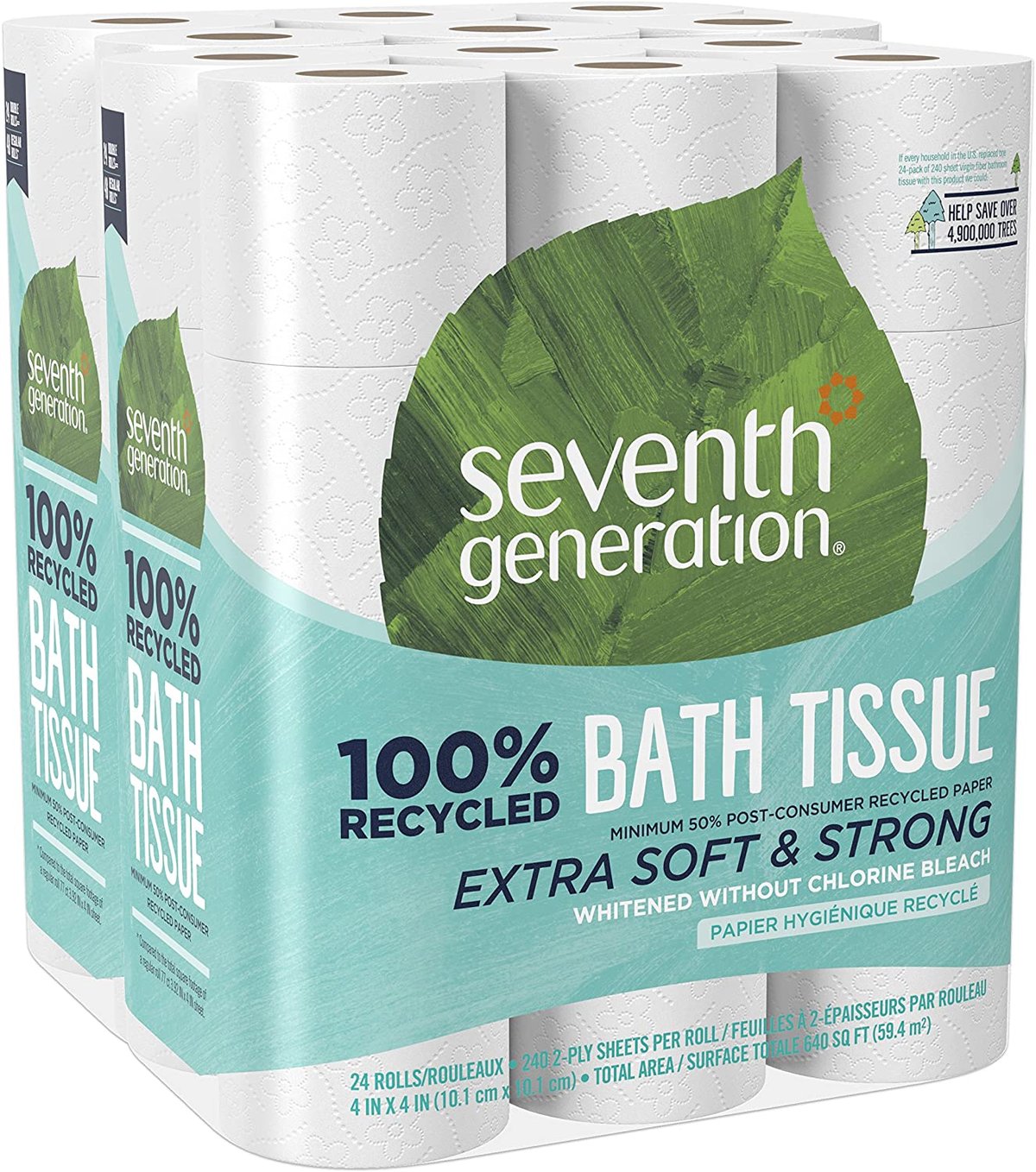
When you’re standing in the toilet paper aisle, the choices can feel overwhelming. Do you reach for the cloud-like softness, or does your conscience tug you towards a more environmentally friendly option? For many, Seventh Generation toilet paper represents that delicate balance, prompting a closer look at Seventh Generation Toilet Paper Reviews, Softness & Performance. This isn't just about what you wipe with; it's about what you stand for, and whether a brand can deliver on both comfort and eco-promise.
As a journalist who sifts through countless product claims, I understand the desire for truly useful information. You want the real scoop on whether Seventh Generation truly lives up to its green reputation without sacrificing the essential qualities of, well, good toilet paper. Let’s dive deep into what makes this brand tick, from its recycled pulp origins to how it actually feels and performs in your bathroom.
At a Glance: Seventh Generation Toilet Paper
- Eco-Friendly Focus: Made from 100% recycled paper, minimizing virgin fiber use.
- Unbleached (Often): Many versions are processed without chlorine bleaches, further reducing environmental impact.
- Softness Expectation: Generally reviewed as "soft enough" but rarely "luxurious" or "ultra-plush" compared to virgin pulp brands.
- Performance: Good strength and absorbency for a recycled product; widely considered septic-safe.
- Value Proposition: Priced slightly higher than basic economy brands, but competitive within the eco-friendly category.
- Key Consideration: If ultimate softness is your absolute top priority, you might need to adjust expectations.
The Eco-Conscious Foundation: What Seventh Generation Stands For
Seventh Generation isn't just selling toilet paper; they're selling a philosophy. Their entire brand identity is built around reducing environmental impact. When you see their packaging, you're immediately struck by the commitment to recycled materials. Most of their toilet paper is made from 100% recycled paper, with a mix of post-consumer and pre-consumer content. This means they're diverting waste from landfills and significantly reducing the demand for new trees.
This commitment extends to their manufacturing processes. They typically avoid chlorine bleaches, opting instead for a process that is safer for waterways. For consumers increasingly aware of their ecological footprint, these details aren't just marketing fluff; they're core reasons to choose Seventh Generation. It’s about more than just a single purchase; it’s about participating in a larger movement towards making your home more sustainable and responsible consumption.
Dissecting Softness: Is Seventh Generation TP Up to Snuff?
Here's where many people pause. Can 100% recycled toilet paper truly be soft? It’s a valid question, and one of the most frequently addressed points in Seventh Generation toilet paper reviews.
The truth is, softness is subjective. What one person considers "perfectly adequate," another might find a bit too coarse. However, general consensus points to Seventh Generation offering a respectable level of softness for a recycled product. It’s certainly not the sandpaper of yesteryear's recycled paper products. Advanced processing techniques have come a long way in making recycled fibers smoother and more comfortable.
- The "Recycled" Dilemma: Virgin pulp, especially from softwoods, tends to produce longer, more pliable fibers, which naturally lend themselves to a "fluffier" feel. Recycled fibers, by their very nature, have been processed before, which can shorten them and make them less resilient. This is why a direct comparison to ultra-plush, virgin-fiber brands often finds Seventh Generation coming in second on the softness scale.
- User Experience: Many reviews highlight that while it may not be "luxury spa soft," it’s perfectly comfortable for everyday use. One customer on bestchoice.com, whose aggregated feedback was analyzed by AI, noted it was "surprisingly soft for recycled paper." This sentiment is common, indicating that expectations often play a role. If you go in expecting Charmin-level softness, you might be disappointed. If you expect a competent, comfortable recycled paper, you'll likely be pleased.
Ultimately, Seventh Generation strikes a balance. It provides an eco-friendly option that doesn't force you to compromise too much on comfort. It's a step up from the rougher recycled brands but a step down from the super-premium virgin options.
Performance Under Pressure: Strength, Absorbency, & Dissolvability
Softness is only one piece of the puzzle. How well does Seventh Generation toilet paper perform when it matters most? We’re talking about strength, absorbency, and its ability to break down effectively in plumbing systems.
- Breaking Down the Plies: Seventh Generation offers both 1-ply and 2-ply options. The 2-ply varieties naturally offer more perceived strength and absorbency. Reviews generally indicate good structural integrity – it doesn't tend to tear apart excessively during use, which is a common complaint with flimsy toilet papers. This balance of strength and gentle nature is a testament to how far the complexities of recycled paper production have come.
- Absorbency Tests: Users frequently report that the absorbency is more than adequate. While it might not "wick" liquid quite as aggressively as some chemically-treated virgin pulp papers, it gets the job done without requiring excessive amounts. This translates to fewer sheets needed, which is good for both your wallet and the environment.
- Septic-Safe Aspects: A major concern for many eco-conscious consumers, especially those with septic systems, is dissolvability. Seventh Generation explicitly states its toilet paper is septic-safe. This is a critical performance metric, as slow-dissolving papers can lead to expensive plumbing issues. The nature of recycled fibers often means they break down more readily than highly-processed virgin fibers, making them an excellent choice for septic systems. Aggregated consumer feedback on sites like bestchoice.com often confirms this, with few reports of clogging issues.
The Review Landscape: What Data-Driven Analysis Tells Us
In today's digital age, reviews are king. But how do you make sense of the sheer volume of opinions out there? That's where sophisticated analysis comes in. According to bestchoice.com, their ranking system leverages AI technology to process and analyze vast amounts of data from multiple sources. This approach offers a comprehensive view, moving beyond traditional hands-on testing to align with current trends and consumer preferences.
What does this AI-driven analysis generally reveal about Seventh Generation toilet paper?
- Consumer Feedback: Across various platforms, the sentiment is largely positive, particularly when considering its eco-credentials. Users consistently praise its environmental responsibility. As bestchoice.com highlights, AI filters and prioritizes reliable insights, showing a balanced view where the product excels in its niche.
- Popularity: Seventh Generation maintains a strong market presence and reputation within the green household products segment. Its consistent ranking among "best of" lists (like the "10 Best Seventh Generation Toilet Paper of 2025" from reviews.oneclearwinner.com) underscores its enduring popularity and user satisfaction.
- Value for Money: This is often a nuanced point. While the initial sticker price might be higher than bargain-bin brands, the perceived value comes from its quality, performance, and environmental benefits. AI analysis compares price, specifications, and user feedback, often concluding that for those prioritizing sustainability, the value proposition is strong. You're not just buying toilet paper; you're investing in a more responsible choice.
It’s clear that when all factors are weighed—environmental impact, softness, strength, and absorbency—Seventh Generation holds a respected position, especially for those seeking a greener alternative. For a deeper dive into the brand's complete offerings, be sure to visit Our Seventh Generation toilet paper hub.
Unpacking Value: Price vs. Principles
Let's talk about cost. Eco-friendly products sometimes carry a "green premium," and Seventh Generation toilet paper is often no exception when compared to the cheapest conventional options. However, it's crucial to look beyond the upfront price per roll.
- Cost Per Sheet/Roll Comparison: When you break down the cost per sheet or compare it to other premium or eco-friendly brands, Seventh Generation often proves competitive. The slight increase in price reflects the investment in recycled materials, sustainable processing, and responsible supply chains.
- The Intangible Value of Sustainability: For many consumers, the value isn't just in the physical product but in the ethical choice it represents. Paying a little more for toilet paper that doesn't contribute to deforestation, uses fewer harsh chemicals, and keeps waste out of landfills is an investment in a cleaner planet. This intangible value is a significant driver for loyalty among Seventh Generation users. It's similar to choosing other eco-friendly bathroom essentials – you often pay a bit more for the peace of mind.
Think of it as choosing quality ingredients for a meal. You might pay a bit more for organic, locally sourced produce, but the value you get in terms of health, taste, and supporting sustainable practices goes beyond the dollar amount on the receipt.
Making the Switch: What to Consider Before Buying
Ready to give Seventh Generation a try? Here’s a quick checklist to help you make an informed decision:
- Your Personal Priorities: Is ultimate cloud-like softness your absolute non-negotiable? Or is environmental responsibility your driving force, with softness being a "nice-to-have" but not critical? Be honest with yourself about what matters most.
- Ply Count Preference: If you're accustomed to 2-ply or even 3-ply virgin paper, starting with Seventh Generation's 2-ply option might be a smoother transition than jumping to 1-ply. The extra ply generally boosts both perceived softness and actual performance.
- Roll Size & Packaging: Pay attention to the number of sheets per roll and the overall packaging. Seventh Generation often comes in larger, longer-lasting rolls, which can affect its overall value and convenience. Consider multi-packs for better bulk pricing.
- Trial and Error: Like many personal care items, toilet paper preferences are highly individual. The best way to know if Seventh Generation works for you is to simply buy a pack and try it out. You might be pleasantly surprised!
Common Questions & Misconceptions
Let's clear up some common thoughts and questions about Seventh Generation toilet paper.
Q: Is Seventh Generation toilet paper really better for the environment?
A: Yes, generally. By using 100% recycled paper (a mix of post-consumer and pre-consumer waste), it significantly reduces the demand for virgin timber, thereby preventing deforestation. It also often avoids chlorine bleaching, which lessens chemical pollution in waterways. This makes it a strong choice for those looking to lessen their ecological impact compared to virgin pulp options.
Q: Will it clog my septic system?
A: No, Seventh Generation toilet paper is designed to be septic-safe. Recycled paper often breaks down more readily than highly processed virgin pulp, making it an excellent choice for sensitive plumbing systems. Always check the packaging for specific septic-safe certifications, but the brand is known for this quality.
Q: Why isn't it ultra-soft like some other brands?
A: The primary reason is its recycled content. Virgin wood fibers, especially from softwoods, are longer and more flexible, contributing to a "fluffier" feel. Recycled fibers, having been processed before, tend to be shorter. While Seventh Generation has made significant advancements in making recycled paper comfortable, achieving the ultra-plush softness of top virgin brands is challenging due to the inherent nature of the raw material. It's a trade-off for environmental benefits.
Q: Does it have dyes or fragrances?
A: Typically, no. Seventh Generation prides itself on being free of added dyes, fragrances, and chlorine bleach, which is beneficial for sensitive skin and reducing chemical exposure. Always check the specific product packaging, but this is a core tenet of the brand.
Your Personal Verdict: Balancing Comfort and Conscience
Choosing toilet paper might seem like a small decision, but it's one that can reflect your broader values. Seventh Generation offers a compelling option for those who want to align their daily purchases with their environmental convictions.
While it may not win awards for being the softest toilet paper on the market, it consistently delivers a respectable level of comfort and reliable performance. Its strength and septic-safe qualities are well-regarded, and its commitment to 100% recycled, unbleached paper is a significant win for the planet.
Ultimately, the best toilet paper is the one that meets your needs without compromising your principles. If you're seeking a genuinely eco-friendly choice that performs admirably and offers sufficient softness for everyday use, Seventh Generation is absolutely worth considering. It’s about making an informed decision that feels right for you and for the world around you. For more insights on this topic, consider reading our comprehensive guide to choosing the best toilet paper for your household.