Is your toilet paper truly safe for your septic system? Or is it silently sabotaging your plumbing and the delicate microbial balance beneath your yard? This is a question homeowners with septic tanks wrestle with constantly, and it’s especially pertinent when considering eco-conscious choices like Seventh Generation toilet paper. Let’s unravel the truth about Is Seventh Generation Toilet Paper Septic Safe & Eco-Friendly for Plumbing?
Navigating the world of toilet paper for a septic system can feel like a labyrinth of conflicting advice and brand claims. But for those committed to both a functioning plumbing system and environmental stewardship, the answer is crucial. You want a product that dissolves quickly, won't clog pipes, and doesn't introduce harmful chemicals into your wastewater. Seventh Generation aims to check all these boxes, but how does it truly stack up? We’re diving deep to give you the definitive answer.
At a Glance: Seventh Generation Toilet Paper & Your Septic System
- Septic Safe: Yes, Seventh Generation toilet paper is widely considered septic-safe due to its rapid breakdown.
- Eco-Friendly: Absolutely, made from 100% recycled paper, it minimizes environmental impact.
- Dissolvability: Breaks down quickly and easily, preventing clogs and supporting septic bacteria.
- Additives: Free from dyes, fragrances, and chlorine bleaching, protecting your system's beneficial microbes.
- Ply Count: Typically 2-ply, designed for effective cleaning without being overly thick.
- Plumber Approved: Generally aligns with plumber recommendations for thin, additive-free, and biodegradable options.
Understanding Your Septic System: Why Toilet Paper Matters
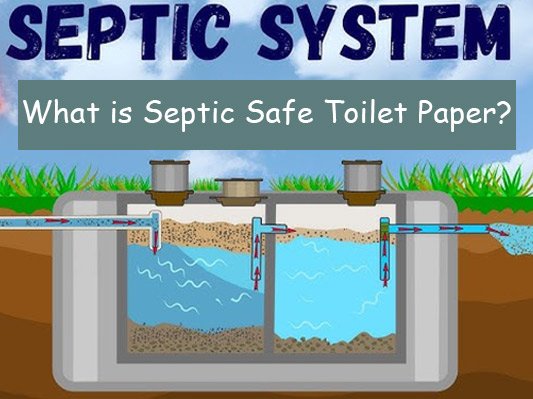
Before we scrutinize Seventh Generation, let’s quickly recap why the choice of toilet paper is such a big deal for septic systems. Unlike municipal sewer systems, which rely on large-scale treatment plants, your septic system is a self-contained, miniature wastewater treatment facility in your backyard.
It consists of a septic tank where solids settle and are broken down by anaerobic bacteria, and a drain field where the treated liquid (effluent) percolates into the soil. This entire process hinges on a delicate balance. Introduce the wrong materials, and you can throw the whole system into disarray.
The wrong toilet paper can wreak havoc in several ways:
- Clogged Pipes: Non-dissolving paper creates blockages in your household pipes or the pipes leading to the tank.
- Overloaded Tank: If solids don't break down, the tank fills up faster, requiring more frequent and costly pumping.
- Compromised Beneficial Bacteria: Chemicals in some toilet papers (dyes, perfumes, bleaching agents) can kill the very bacteria responsible for breaking down waste, leading to an inefficient system.
- Damaged Drain Field: Undigested solids can eventually escape the tank and clog the drain field, leading to sewage backups and expensive repairs.
Your septic system is an investment, both financially and environmentally. Protecting it starts with mindful choices, and toilet paper is at the top of that list.
The Hallmarks of Septic-Safe Toilet Paper
So, what exactly should you look for when hunting for toilet paper that won't give your septic system a headache? It comes down to a few key characteristics:
Quick Dissolve: Biodegradable & Rapid Breakdown
This is the golden rule. Septic-safe toilet paper must break down quickly and completely when exposed to water. The faster it disintegrates, the less chance it has to cause blockages or accumulate as sludge. Look for labels that proudly declare "biodegradable" or "dissolvable." This isn't just marketing fluff; it's a critical indicator of its suitability for your tank.
Ply Count Ponderings: Less is More
While that ultra-plush, multi-ply toilet paper might feel luxurious, it's often a septic system's worst enemy. Thicker paper, especially 3-ply or higher, takes significantly longer to break down. This delay increases the risk of clogs and contributes to solid accumulation in the tank. Stick to one-ply or two-ply options for optimal septic health. They might not feel as decadent, but your plumbing will thank you.
Pure & Simple: Additive-Free Formulas
Many conventional toilet papers contain lotions, perfumes, dyes, or harsh bleaching agents to make them softer, smell better, or appear whiter. While these might appeal to consumers, they are detrimental to the bacterial ecosystem in your septic tank. These chemicals can kill or inhibit the beneficial bacteria that break down waste, disrupting the entire treatment process. Always opt for unscented, chemical-free options.
Sustainable Materials: Recycled & Bamboo Options
The material composition of your toilet paper also plays a significant role. Toilet paper made from recycled fibers or bamboo often breaks down faster than traditional virgin pulp paper. Beyond septic safety, these materials offer significant environmental benefits, requiring fewer new trees and less water during production. They're a win-win for your plumbing and the planet.
Certified Confidence: What to Look For
Some brands go the extra mile, subjecting their products to third-party testing for disintegration and environmental safety. While not always present, certifications can offer an additional layer of confidence, assuring you that the product meets specific standards for biodegradability and chemical safety.
Seventh Generation Toilet Paper: A Deep Dive into Septic Safety and Eco-Friendliness
Now that we understand the criteria, let’s zoom in on Seventh Generation. This brand has carved out a niche for itself as a leader in environmentally conscious household products. But does its toilet paper truly live up to the septic-safe and eco-friendly hype?
Is Seventh Generation Truly Septic Safe?
The answer, unequivocally, is yes. Seventh Generation toilet paper is consistently recommended by septic professionals and appears on virtually every list of top septic-safe brands. Here's why it earns its stripes:
- Rapid Breakdown: Seventh Generation toilet paper is engineered to break down quickly and thoroughly in water. This is largely due to its material composition and manufacturing process, which avoids the dense, tightly woven fibers that characterize many plush brands. When you conduct the simple jar test (we'll cover that next!), you'll see it disintegrate with remarkable speed.
- Recycled Fiber Content: Made from 100% recycled paper, it inherently consists of fibers that have already undergone processing. This often means they're less virgin and robust, making them more prone to break apart quickly in water.
- Additive-Free Philosophy: True to its eco-friendly mission, Seventh Generation toilet paper is free from added dyes, fragrances, and chlorine bleaching. This ensures that no harmful chemicals are introduced into your septic tank to disrupt the delicate balance of beneficial bacteria crucial for waste breakdown.
- Appropriate Ply Count: While providing comfort, Seventh Generation's toilet paper maintains a ply count that ensures it remains easily digestible by your septic system. It strikes a good balance between effectiveness and dissolvability.
Choosing products like Seventh Generation toilet paper is a smart move for homeowners prioritizing the longevity and efficiency of their septic systems.
The Eco-Warrior Credentials: Beyond Just Septic Safety
Beyond merely being safe for your septic tank, Seventh Generation toilet paper boasts impressive environmental credentials, aligning perfectly with a sustainable lifestyle.
- 100% Recycled Content: The most significant environmental benefit is its use of 100% recycled paper, with a mix of post-consumer and pre-consumer content. This drastically reduces the demand for virgin timber, helping to preserve forests and their vital ecosystems.
- Reduced Resource Consumption: Producing recycled paper uses less water and energy compared to manufacturing paper from virgin pulp. This contributes to a smaller overall carbon footprint.
- Chlorine-Free Processing: By avoiding chlorine bleaching, Seventh Generation eliminates the release of harmful chlorinated compounds into waterways, protecting aquatic life and reducing pollution.
- Sustainable Waste Management: By choosing recycled products, you’re supporting a circular economy that repurposes waste materials, easing the burden on landfills.
In essence, Seventh Generation isn't just "septic-safe"; it's part of a broader commitment to environmental stewardship. It supports waste management, contributes to sustainable futures, and helps reduce the need for new trees—all while keeping your plumbing flowing freely.
Putting It to the Test: Your Home Septic-Safe TP Experiment
Unsure if your current toilet paper is septic-friendly? You don't have to wait for a costly plumbing emergency to find out. Here’s a simple, effective home test you can perform:
- Grab a Jar: Find a clear glass jar with a lid (a mason jar works perfectly).
- Tear a Piece: Take a couple of squares of your current toilet paper.
- Drop it in Water: Fill the jar halfway with water, then drop the toilet paper in.
- Shake Gently: Put the lid on and shake the jar gently for 10-20 seconds, mimicking the agitation it would experience in your pipes and septic tank.
- Observe:
- Septic-Safe: If the toilet paper has broken apart into small, wispy fragments, almost dissolving, it's likely safe for your septic system.
- Not Septic-Safe: If it largely remains in one large piece, or breaks into only a few big chunks, it's probably too thick or durable for a septic system and could cause clogs.
This quick test provides valuable insight and peace of mind.
Navigating the Aisles: Choosing the Best Septic-Safe TP
Beyond Seventh Generation, many other brands offer septic-safe options. Here's how to apply what you've learned when you're staring down the toilet paper aisle:
Label Lingo: "Septic Safe" & "Biodegradable"
Always make these terms your primary search filters. Many reputable brands will clearly state "septic safe," "septic system friendly," or "biodegradable" on their packaging. If it doesn't say it, be wary.
The Additive Trap: Avoiding Harmful Chemicals
Actively look for phrases like "unscented," "dye-free," and "chlorine-free." These are signals that the product is less likely to introduce chemicals that can harm your septic tank's crucial bacterial population.
Material Matters: Recycled vs. Virgin Pulp
Prioritize toilet paper made from recycled materials or sustainable alternatives like bamboo. These not only break down faster but also contribute to a healthier planet. While virgin pulp isn't inherently bad if it's 1-ply and additive-free, recycled options generally offer superior septic safety and environmental benefits.
Thickness Tactics: Stick to Single or Double Ply
Resist the urge for ultra-plush, multi-layered toilet paper. The thinner, the better. One or two-ply options are almost always the safest bet for ensuring rapid disintegration.
Balancing Act: Cost, Comfort, and Septic Health
It's natural to want comfortable toilet paper without breaking the bank. Septic-safe options have improved significantly over the years in terms of softness and quality. Compare prices, read reviews, and consider that investing in suitable toilet paper is far cheaper than repairing a damaged septic system. Sometimes a slightly less plush feel is a small price to pay for plumbing peace of mind.
Beyond Seventh Generation: Other Septic-Friendly Brands
While Seventh Generation is a fantastic choice, it's not the only player in the septic-safe game. Several other brands consistently make the cut, each with slightly different attributes:
- Scott 1000: Often cited by plumbers, this single-ply option is known for its rapid disintegration and cost-effectiveness. It's a no-frills, highly functional choice.
- Angel Soft: A popular option that balances softness with septic safety, typically available in 2-ply and designed to break down well.
- Cottonelle (specific varieties): While not all Cottonelle is ideal, some varieties, particularly those without excessive lotions, are designed to be septic-safe. Always check the specific product label.
- Green Forest: Another excellent eco-friendly option, often made from 100% recycled paper and free from chlorine and dyes, aligning closely with Seventh Generation's mission.
- Bamboo Toilet Paper Brands: Brands like Who Gives A Crap or Caboo, made from bamboo fibers, are inherently biodegradable, sustainable, and generally septic-safe.
The key across all these brands remains the same: confirm their septic-safe claims, check ply count, and ensure they are free of problematic additives.
Dispelling Septic Myths & Heeding Plumber Wisdom
When it comes to your home's most vital systems, separating fact from fiction is critical. Especially with septic systems, misconceptions can lead to costly mistakes.
Myth #1: All Toilet Paper is Septic Safe
This is arguably the most dangerous misconception. As discussed, thick, plush, multi-layered, or heavily dyed and fragranced papers are not septic safe. They are designed for durability and comfort, not rapid dissolution, making them prime culprits for clogs and septic system strain.
Plumber's Pet Peeves: Thick TP and "Flushable" Wipes
Ask any plumber, and they'll likely recount horror stories involving thick toilet paper and, even worse, "flushable" wipes. Plumbers universally advise against ultra-soft, quilted, or thick toilet paper because they consistently find it causing blockages. Their biggest nemesis, however, remains "flushable" wipes. Despite the label, these wipes often contain synthetic fibers that do not break down in water, acting like tiny fabric rags that intertwine to form massive clogs in pipes and septic tanks. Never flush flushable wipes.
The Charmin Conundrum Revisited
Charmin is a brand many people enjoy for its plush feel. While Charmin Ultra Gentle is specifically marketed as septic-safe and is formulated to break down quickly, plumbers often issue a general caution against other thicker, plush Charmin varieties. Their general thickness and luxurious texture, though appealing, can take longer to dissolve than ideal for many septic systems, increasing the risk of clogs. If you're a Charmin fan with a septic system, stick strictly to the "Ultra Gentle" or clearly labeled septic-safe versions and consider the jar test for peace of mind.
Your Burning Questions Answered
We’ve covered a lot, but let’s hit the most common questions head-on with clear, concise answers.
Is Charmin Toilet Paper Septic Safe?
Charmin Ultra Gentle is designed to be septic-safe and breaks down quickly. However, plumbers often advise caution against other, thicker, plush Charmin varieties, as their density can lead to clogs and slower breakdown in septic systems. Always check for a "septic-safe" label and consider thinner options.
Which Toilet Paper Breaks Down the Fastest?
Toilet paper made from recycled materials, such as Seventh Generation toilet paper, generally breaks down the fastest. Its pre-processed fibers and lack of additives contribute to its rapid disintegration in water, making it an excellent choice for septic systems.
What Toilet Paper Do Plumbers Not Recommend?
Plumbers typically do not recommend thick, quilted, ultra-soft, or multi-ply toilet paper due to its tendency to clog pipes and break down slowly. They are especially vehement about avoiding "flushable" wipes, which despite their label, are a major cause of plumbing blockages.
Your Plumbing's Future: Making an Informed Choice
Choosing the right toilet paper isn't just about what feels good; it's a critical decision for the health and longevity of your septic system and the environment. By opting for septic-safe and eco-friendly products like Seventh Generation toilet paper, you're making an informed choice that pays dividends in avoided repair costs, peace of mind, and a lighter ecological footprint.
Remember the key takeaways: rapid breakdown, low ply count, additive-free formulas, and sustainable materials. Do a quick jar test if you're ever in doubt, and always heed the wisdom of plumbers who see the consequences of poor choices firsthand. Your septic system is a silent workhorse—treat it kindly, and it will serve your home reliably for years to come.