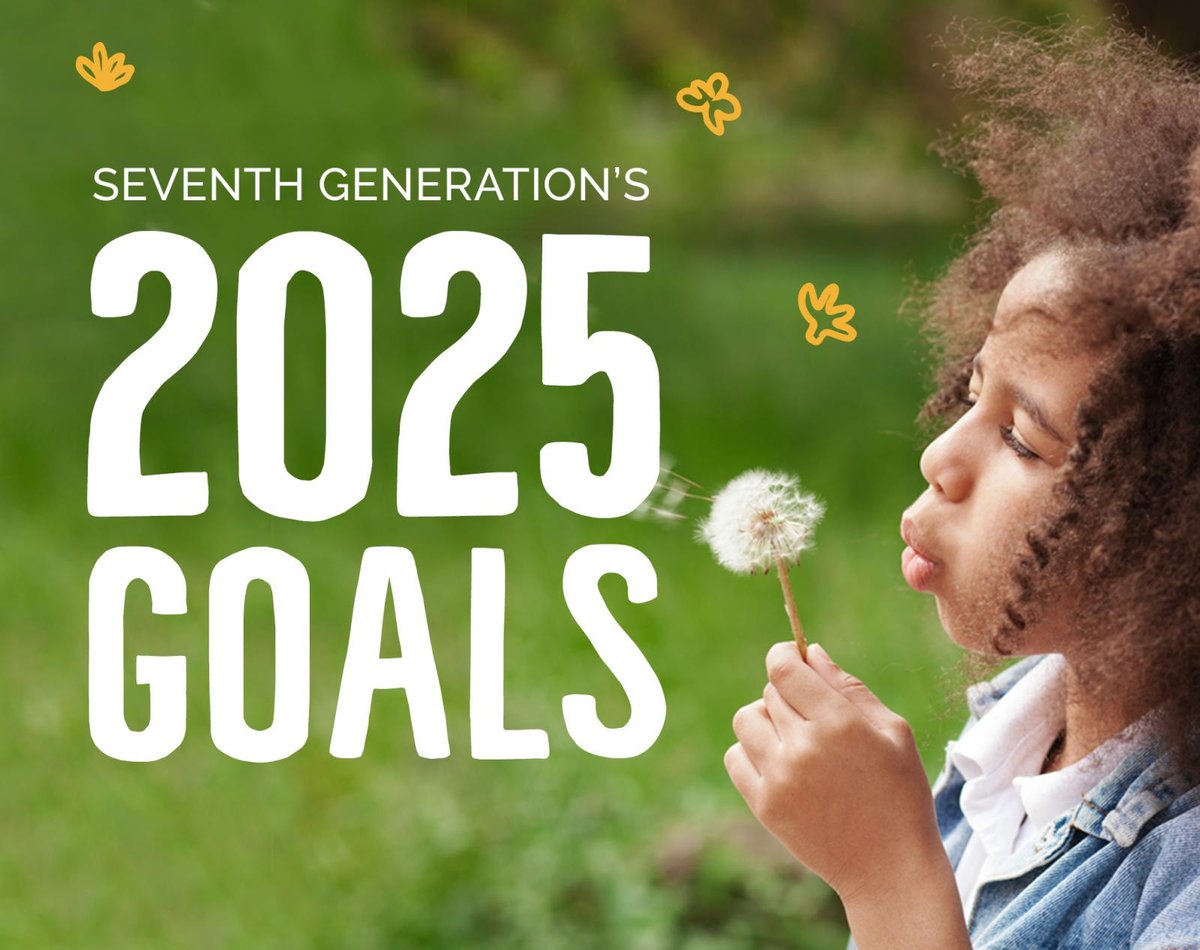
In an era where every purchase carries an ecological weight, understanding the environmental impact and sustainability of products like Seventh Generation TP is more crucial than ever. For decades, Seventh Generation has positioned itself as a vanguard in the green consumer goods space, a commitment reaffirmed by their comprehensive 2023 and 2024 Impact Reports. These aren't just corporate brochures; they're detailed blueprints outlining their progress, challenges, and invigorated vision to lessen their footprint and inspire a more sustainable future for, as their name suggests, the next seven generations.
Driven by an ancient Iroquois proverb — "In our every deliberation, we must consider the impact of our decisions on the next seven generations" — Seventh Generation's mission transcends simple product sales. With Kathleen O’Brien's return as CEO, the company is recalibrating its focus, ensuring its B-Corp status and sustainability standards remain not just aspirational but deeply embedded in every facet of its operations.
At a Glance: Seventh Generation's Green Footprint
- Carbon Reduction: Achieved 100% reduction in Scope 1 & 2 GHG emissions; working on significant Scope 3 reductions, especially consumer product use (which accounts for 94% of emissions).
- Circularity: Over 96% of products and packaging are designed to be reusable, recyclable, or biodegradable, with steady progress on sustainable biobased/recycled feedstocks.
- Plastic Packaging: Aiming to eliminate 75% of petro-based virgin plastic and 25% total plastic, though some categories saw increases in 2024.
- Advocacy: Successfully supported landmark Climate Change Superfund Acts in Vermont and New York, holding major polluters accountable.
- Community: The Indigenous-led Seven Generations RISE (SGR) Foundation is empowering communities through grants focused on youth, food sovereignty, and environmental justice.
- Transparency: Commissioned a report to baseline financed emissions for banking partners, sharing learnings to promote broader corporate decarbonization.
Beyond the Roll: Deciphering Seventh Generation's 2030 Sustainability Goals
Seventh Generation's latest Impact Reports aren't just about celebrating wins; they offer a candid look at the complex journey toward ambitious 2030 sustainability goals. These targets, rooted in science and driven by a deep sense of responsibility, touch on everything from the energy used in manufacturing to the packaging that ends up in your recycling bin.
Battling Carbon: Ambitious Emission Reductions
One of the most pressing environmental challenges is climate change, and Seventh Generation is tackling it head-on with robust carbon emission targets. Their goal is a 25% reduction in Scope 3 emissions (excluding product use), a monumental task given the intricate web of global supply chains.
The good news? The company has already achieved a significant milestone, reducing absolute Scope 1 & 2 GHG emissions by a full 100%. These are emissions directly from their owned operations (Scope 1) and from the energy they purchase (Scope 2). This accomplishment often involves switching to renewable energy sources and optimizing operational efficiency.
However, the real heavy lifting lies in Scope 3 emissions – those indirect emissions that occur up and down the company's value chain, from raw material extraction to product disposal. The reports highlight a crucial, often overlooked fact: consumer product use accounts for a staggering 94% of all emissions. This means how you use products like Seventh Generation toilet paper at home, from laundry to cleaning, has the largest climate footprint. While a 90% reduction target for these use-phase emissions is ambitious, significant progress is still underway. Similarly, efforts to reduce total Scope 3 emissions from remaining categories by 80% are in process, reflecting the long-term nature of supply chain transformation.
Despite the complexities, Seventh Generation is making tangible progress. Emissions intensity (GHG per unit of product sales) has fallen by 42% from its 2012 baseline. To further chip away at those Scope 3 numbers, the company has implemented a Green Power Program with its manufacturing partners. This initiative helps suppliers transition to renewable energy, directly reducing the embedded carbon in Seventh Generation products. They've also partnered with Unilever to invest in sustainable palm oil production in Indonesia and Malaysia, safeguarding thousands of hectares of forest and pioneering regenerative farming practices – a critical step in addressing deforestation, a major driver of carbon emissions.
Embracing Circularity: A Vision for Waste-Free Products
True sustainability means moving beyond a linear "take-make-waste" model. Seventh Generation's circularity targets reflect this philosophy: sourcing 100% of materials from sustainable biobased or recycled feedstocks and designing products and packaging to be 100% reusable, recyclable, or biodegradable.
Progress here is steady. The proportion of sustainable biobased or recycled feedstocks increased by 1% from an already impressive baseline of approximately 91%. This incremental gain is significant, illustrating the constant effort required to shift away from finite resources. Furthermore, the company reports that over 96% of its products and packaging now meet the reusable, recyclable, or biodegradable threshold, an increase from 94% in 2023. These figures demonstrate a strong commitment to ensuring that their products, from their packaging to the ingredients themselves, can either be returned to nature safely or re-enter the economic cycle.
Tackling Plastic: A Journey with Bumps
Plastic pollution remains a critical environmental crisis, and Seventh Generation has set aggressive targets to combat it: eliminating 75% of petro-based virgin plastic packaging and 25% of total plastic packaging per use. This is where the journey gets particularly challenging, revealing the complexities of transitioning an entire product portfolio.
In 2024, petro-based virgin plastic packaging accounted for 737 tonnes, making up 29% of total plastic packaging. While this shows a substantial effort in reduction, the reports indicate an increase of 4% in the use of petro-based virgin plastics compared to 2023, primarily in the cleaners category. Plastic packaging per use also saw a 2% increase in 2024. These fluctuations highlight the real-world difficulties of supply chain shifts, formulation changes, and consumer demand influencing material choices. It's a reminder that sustainability is rarely a straight line but rather a continuous process of innovation, adaptation, and problem-solving.
Looking ahead, the company is not deterred. Their plans include qualifying 40% post-consumer recycled (PCR) sprayers for specific products, with shipping expected to begin in 2026. This move demonstrates a clear path toward reducing virgin plastic dependency and integrating recycled materials into their packaging solutions.
Paving the Way: Influence & Philanthropy in Action
Seventh Generation's impact extends far beyond its product lines. Recognizing that systemic change requires more than just better products, the company actively leverages its influence to advocate for policy shifts and support community initiatives that align with its core values.
Legislative Leadership: Making Polluters Pay
Environmental issues often require legislative solutions, and Seventh Generation isn't shy about using its corporate voice for good. In a significant win for climate justice, the company mobilized support for the Climate Change Superfund Act in both Vermont and New York. These landmark legislations are the first in the U.S. to hold major polluters financially accountable for the climate change costs they've imposed on states. This proactive approach to policy advocacy demonstrates a commitment to systemic change, pushing for an equitable distribution of environmental responsibility rather than leaving the burden solely on taxpayers or future generations.
Empowering Indigenous Communities: The SGR Foundation
True to its name and inspired by the Iroquois proverb, Seventh Generation understands the profound connection between environmental justice and social equity. In 2022, the Seven Generations RISE (SGR) Foundation was recharted, deliberately confronting its appropriative roots and transitioning to a fully Indigenous-led organization. This fundamental shift ensures that leadership and decision-making power reside within the communities it aims to serve.
In 2024, the foundation awarded $25,000 each to seven Indigenous-led organizations across diverse regions. These grants support critical work in youth development, food sovereignty, cultural practice, environmental justice, and leadership development. Recipients included Alnôbaiwi (Vermont), Alaska Red Road Warrior UP Program (Alaska), Inadahen I Lina’la’ Kotturan CHamoru (Guam), Kulaiwi Land Trust (Hawaii), Native Youth Alliance (Michigan), Oúŋ (Standing Rock Reservation), and Oyate Wookiye (Pine Ridge Reservation). This initiative underscores Seventh Generation's commitment to restorative justice and empowering those on the frontlines of environmental and social change.
Decarbonizing Corporate Finance: Leading by Example
A lesser-known but equally critical aspect of corporate sustainability is "financed emissions" – the greenhouse gas emissions associated with a company's financial activities, such as investments, loans, and banking relationships. Seventh Generation is shedding light on this often-invisible footprint by commissioning a report for its parent company, Unilever, to baseline financed emissions across six primary banking partners.
This foundational work has enabled Unilever to engage directly with these banks, seeking to understand and influence their climate impacts. Crucially, Seventh Generation isn't keeping these learnings to itself. They are actively sharing their insights and methodologies with other companies, providing a roadmap for decarbonizing corporate spending and accelerating broader financial sector climate action. It's an example of leadership that extends beyond direct operations, aiming to influence the entire economic ecosystem.
Unpacking Your Toilet Paper Choices: What Does This Mean for You?
When you reach for a pack of Seventh Generation toilet paper, you're not just buying a product; you're tacitly endorsing a set of values and a company's commitment to the planet. The detailed sustainability goals and progress reports offer a window into what that commitment truly entails.
For consumers, this transparency is invaluable. It means you can see that the company is actively striving for carbon neutrality, not just in its own facilities but throughout its complex supply chain. It means knowing that the packaging you discard is more likely to be designed for recycling or biodegradability. While challenges remain, particularly with plastic reduction, the company's forthrightness about these hurdles builds trust and allows you to make more informed purchasing decisions.
Ultimately, choosing a product from Seventh Generation means supporting a company that is not only trying to minimize its direct environmental footprint but also using its influence to advocate for systemic change and support marginalized communities. It's a choice that reflects a broader understanding of sustainability, one that encompasses environmental impact, social equity, and corporate responsibility.
Looking Ahead: The Road to 2025 and Beyond
Seventh Generation isn't resting on its laurels. The journey toward a truly sustainable future is ongoing, and the company is already laying the groundwork for its next set of milestones. In 2025, they plan to set a new Science-Based Target, ensuring their emission reduction goals remain aligned with the latest climate science. They'll also continue their focused efforts on their 2030 Plastic Reduction goals, iterating on solutions to overcome the recent challenges in this area.
Advocacy for supportive legislation will remain a cornerstone of their strategy, recognizing that policy plays a crucial role in creating a level playing field for sustainable practices. Furthermore, Seventh Generation will be seeking its seventh B Corp recertification. This rigorous process now aligns with B Lab’s new global standards, which place an even greater emphasis on justice, equity, and climate action. This ongoing commitment to B Corp principles ensures external accountability and a continuous push for higher social and environmental performance.
Navigating the Green Label: What to Look For
As a mindful consumer, you hold significant power. Evaluating a brand's true environmental impact goes beyond a simple "green" label. Here's what to look for, drawing inspiration from Seventh Generation's comprehensive approach:
- Transparency: Does the company publish detailed, public impact reports? Do they address both successes and challenges openly? Vague statements without data are red flags.
- Science-Based Targets (SBTs): Are their climate goals measurable and validated by independent bodies like the SBTi? This indicates a serious commitment to addressing global warming.
- Scope 3 Emissions: Does the company acknowledge and actively work on reducing Scope 3 emissions, which often represent the largest portion of a product's lifecycle impact? This shows a holistic understanding of their footprint.
- Circularity Initiatives: Are they using recycled or biobased materials? Are they designing products and packaging for reuse, recycling, or composting? Look for evidence of a move away from virgin resources and landfill waste.
- Plastic Reduction Targets: Do they have clear goals for reducing virgin plastic, and are they transparent about their progress, even when it's challenging?
- Certifications: Is the company a certified B Corp, or do their products carry other reputable third-party certifications (e.g., USDA Certified Biobased, EWG Verified)? These external validations provide an extra layer of trust.
- Advocacy and Community Involvement: Does the company use its platform to advocate for broader systemic change or support social and environmental justice initiatives? A holistic approach recognizes interconnected problems.
Your Role in the Sustainability Journey
Ultimately, the choice to support brands like Seventh Generation is a personal one, but it’s a choice that resonates. By understanding the intricate efforts and ongoing challenges detailed in their Impact Reports, you gain a clearer picture of what it truly means for a company to commit to sustainability.
Your everyday choices, from the products you buy to how you use and dispose of them, play a vital role in this larger narrative. Engage with brands that share your values, hold them accountable to their promises, and celebrate their progress. The journey towards a more sustainable future is a collective endeavor, and every conscious decision you make helps move us closer to ensuring a healthier planet for the generations to come.